Digital Reputation Management

N3 Services • February 5, 2023

In today's digital age, the online reputation of your business is defined by your customers.

Reviews, accurate business information, and social media activity impacts your reputation and whether a consumer decides to do business with you. You need a way to manage all of these factors in a scalable way.

In this article we unpack our Reputation Management solution and how you can easily take control.

Monitor and manage your online Reputation

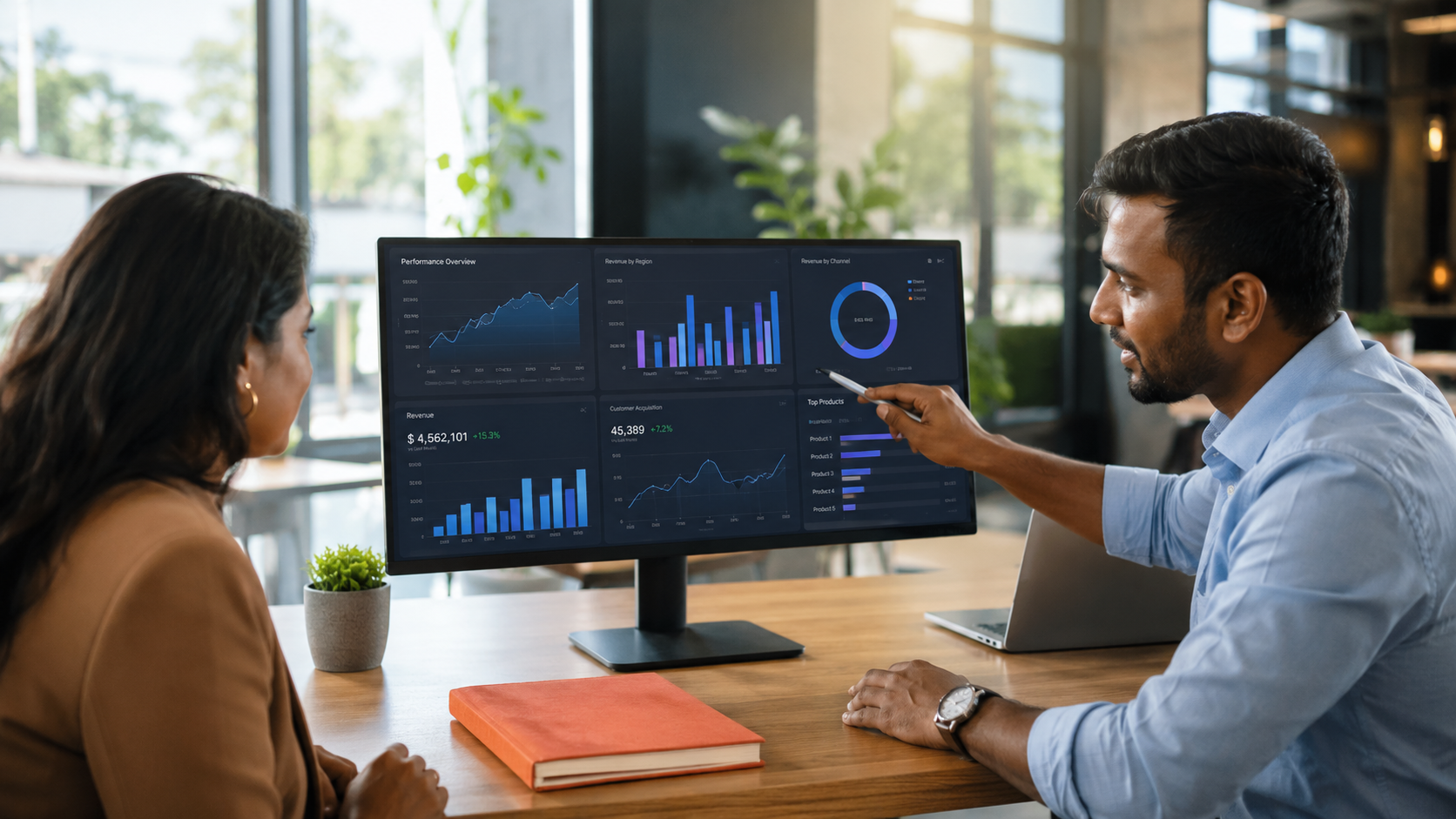
Monitor what people are saying about you online and improve your visibility in local search. See how you stack up against the competition, stay in the know with automated alerts and get progress reports to see how your reputation has improved. All from your Business Center.

Features

  • Manage your online reputation from one place: Compile reviews from dozens of sites so you can easily see what’s being said about your business online. Plus, use competitive benchmarking to see how you stack up to the competition.

  • Show up where people are looking: Improve your search rank by identifying online business listings that are inaccurate or missing from essential directories like Google, Facebook, and Bing.

  • Hear what customers are saying all over the web: Monitor when your business is mentioned in a variety of sources, including news sites, blogs and social networks. Plus, highlight the most positive and negative mentions using automated sentiment analysis.

  • Stay informed with automated reports and alerts: Executive reports break down how your business is faring in online conversations and helps you understand what to do. Alerts are also sent every time new information is found.

Take control of your online reputation today!

Get your Toolkit now

FAQs

  • What is reputation management?

    The reputation of a business is both what they say about themselves and what others say about them. Managing a reputation is nothing new; what’s new is how the internet and social media have changed the way businesses are being defined and how fast their reputations spread. Reputation management is the process of monitoring and managing all the channels that affect a business's online reputation. That can include online reviews, online listings, Google Q&A, and social media.

  • Why is it important to manage online listings?

    Ensuring your business's online listings are accurate across a wide variety of websites is called presence management. Presence management ensures customers can find the right information about your business online. Correct and consistent listings across directories, review sites and social networks is crucial.

  • Why is it important to manage online reviews?

    Eighty-four percent of people now trust online reviews from strangers as much as recommendations from friends. This means that whatever your customers are saying about your business online can affect the purchase decisions of many potential customers. Managing online reviews is crucial so businesses can understand the voice of their customer and respond quickly to both positive and negative feedback.

Blog

Intuit QuickBooks with Blink by Emtel
March 7, 2026
Cut Payment Fees and Get Paid Instantly with our Blink QR Integration for QuickBooks Online and move beyond the manual processes and high fees that hold you back.
By Tandile Simelela February 23, 2026
For years, digital visibility followed a simple formula: rank on Google, get clicks, win business. That formula no longer works. Today, customers don’t scroll through pages of search results. They ask AI . And AI gives them answers, recommendations, and trusted sources, often without sending them to a single website. If your business isn’t being referenced by AI, it isn’t just hard to find. It’s invisible. 
By Tandile Simelela January 7, 2026
The start of a new year brings renewed energy, fresh goals, and ambitious growth plans. Teams return motivated. Strategies are revisited. Targets are set. Yet, many organisations unknowingly begin the year with a silent disadvantage: they are still relying on old systems, manual processes, and disconnected tools to achieve new goals. The question isn’t whether your business is working hard. Most are. The real question is: are your systems helping you move forward, or holding you back?